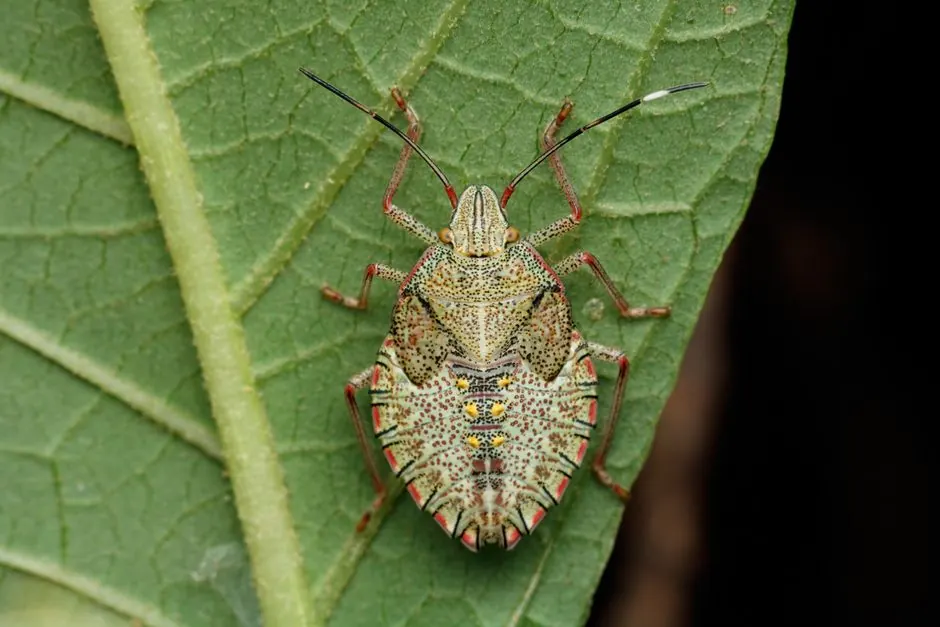
Brown Marmorated Stink Bug activity in Indiana varies significantly across the four seasons. Understanding these seasonal patterns is crucial for effective pest management strategies. This article explores the distinct phases of Brown Marmorated Stink Bug activity throughout the year and offers insights on how to manage these pests effectively.
Brown Marmorated Stink Bugs are a type of pest that can invade homes and gardens, causing damage to crops and creating unpleasant odors when disturbed. These pests are particularly notorious for their seasonal behavior, which can affect their population and activity levels in Indiana.
Understanding Brown Marmorated Stink Bugs
Brown Marmorated Stink Bugs are identifiable by their shield-like shape and brown coloration, measuring about 0.5 inches in length. Native to Asia, they were first identified in the United States in the late 1990s and have since spread across the country, including Indiana. Their ability to reproduce rapidly and their tendency to seek shelter in homes during colder months make them a significant pest.
Spring: Emergence and Activity
In Indiana, spring marks the emergence of Brown Marmorated Stink Bugs from their winter hiding spots. This usually occurs from late March to early May, when temperatures consistently rise above 60°F. During this time, these bugs become active as they search for food and mates, leading to a noticeable increase in their population.
- March: Stink Bugs begin to emerge as temperatures rise.
- April: Mating season starts; females lay eggs on host plants.
- May: Nymphs hatch and begin to feed on vegetation.
Homeowners should monitor their gardens closely during this period, as the nymphs can cause damage to young plants. Implementing early pest control measures, such as insecticidal soap or natural predators, can help manage their population effectively.
Summer: Population Growth
As summer progresses, typically from June to August, the population of Brown Marmorated Stink Bugs in Indiana can grow exponentially. Warm weather and abundant food sources allow these pests to thrive.
During this season, you might notice:
- Increased sightings of adult stink bugs in gardens and around homes.
- Damage to crops, particularly fruits and vegetables, as they feed.
- Preparation for the upcoming migration to shelter as temperatures begin to drop.
Homeowners should employ integrated pest management strategies, including regular monitoring and the use of barriers to prevent these pests from entering homes. This is also a good time to consult with pest control professionals for tailored strategies.
Fall: Invasion of Homes
Fall is a critical time for Brown Marmorated Stink Bugs, as they seek shelter to survive the cold winter months. This migration typically begins in late September and can last until November. They are attracted to warm structures, making homes prime targets.
To prevent infestations, homeowners should:
- Seal cracks and openings around windows and doors.
- Use screens on vents and chimneys.
- Consider using a professional pest control service to treat the exterior of their homes.
Failing to address these entry points can lead to significant indoor infestations, making it essential to take proactive measures.
Winter: Dormancy and Monitoring
During the winter months, from December to February, Brown Marmorated Stink Bugs enter a state of dormancy. They remain inactive in their hiding spots, often inside homes where they can be difficult to detect. Despite their dormancy, they can still pose a problem if disturbed, releasing their characteristic odor.
Homeowners should monitor for signs of these pests, especially in areas like attics or basements. If you notice them during winter, it's advisable to contact a professional for removal to avoid unpleasant odors and potential infestations come spring.
Pest Control Recommendations by Season
Effective pest control strategies for managing Brown Marmorated Stink Bugs in Indiana vary by season:
- Spring: Monitor gardens closely; use insecticidal soap.
- Summer: Implement integrated pest management; consider barriers.
- Fall: Seal entry points; consult with pest control professionals.
- Winter: Monitor for signs of activity; contact experts for removal.
By adapting your pest control strategies to align with the seasonal patterns of Brown Marmorated Stink Bugs, you can effectively manage their presence in your home and garden.
When to Call a Professional
If you encounter significant infestations of Brown Marmorated Stink Bugs, it's wise to call in professionals. Indiana Pest Pros is equipped to handle pest control effectively, ensuring that your home remains pest-free throughout the seasons.
Frequently Asked Questions
When are Brown Marmorated Stink Bugs most active in Indiana? They are most active during spring and summer, particularly from late March to August.
What time of year do Stink Bugs invade Indiana homes? Stink Bugs typically invade homes in the fall, from late September to November, seeking shelter for winter.
How can I manage Stink Bugs in different seasons in Indiana? Monitor gardens in spring, employ barriers in summer, seal entry points in fall, and remove them in winter.
Are Stink Bugs a year-round problem in Indiana? While they are dormant in winter, they can become a problem if they invade homes during the colder months.
What seasonal pest control should I consider in Indiana? Consider tailored pest control strategies that align with the seasonal activity patterns of pests like the Brown Marmorated Stink Bug.