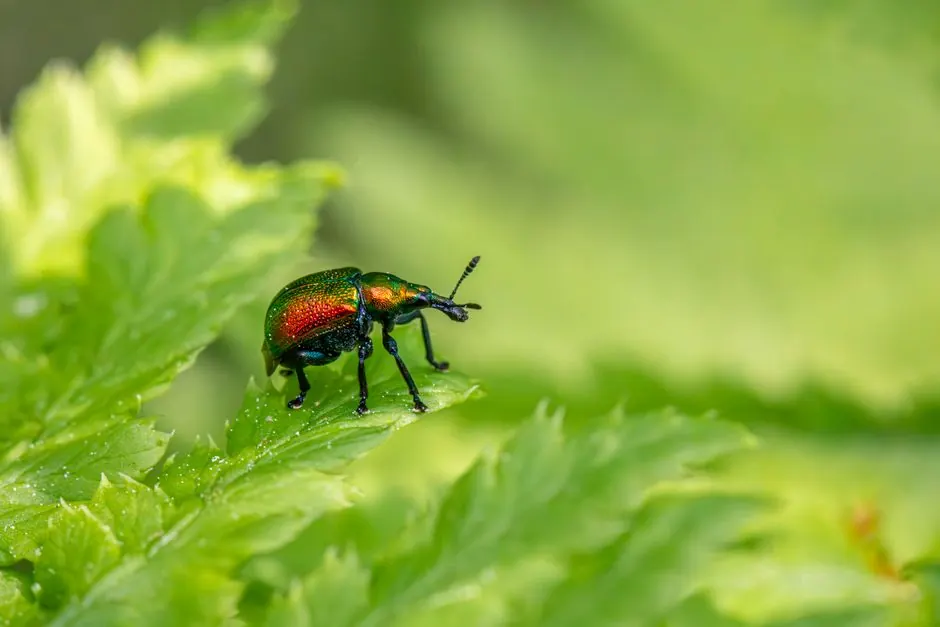
Understanding Pest Activity in Humid Continental Indiana
Pest activity in humid continental Indiana is influenced by seasonal changes in temperature and humidity. As the seasons shift, different pests emerge, presenting unique challenges for homeowners. Understanding these patterns is crucial for effective pest management.
Spring: The Arrival of Common Pests
In spring, temperatures begin to rise, and pests such as ants, termites, and mosquitoes become active. These pests are often searching for food and nesting sites. Homeowners should be vigilant as these pests can invade homes as they emerge from their winter dormancy.
The Indiana pest calendar indicates that ants typically start to appear in March, while termites may begin swarming in April. Homeowners should inspect their properties for signs of these pests, such as ant trails or mud tubes from termites.
Summer: Peak Pest Season
Summer is the peak season for many pests in Indiana. High humidity levels create ideal conditions for pests like mosquitoes, cockroaches, and fleas. During this time, homeowners may notice an increase in pest activity, especially in areas with standing water.
For effective pest control in humid climates Indiana, it's essential to eliminate standing water and maintain proper sanitation. Regular yard maintenance can help reduce the habitats that attract these pests. Additionally, scheduling a professional inspection can help identify potential infestations early.
Fall: Preparing for Winter
As temperatures begin to drop in fall, pests like rodents and spiders start seeking shelter indoors. This is the time when homeowners should prepare for potential infestations by sealing entry points and ensuring that food is stored properly.
Indiana pest activity trends show that rodents can become particularly problematic in October and November as they search for warmth. Implementing preventive measures now can save you from a larger infestation later. Consider professional rodent control in Indiana to address any concerns.
Winter: Monitoring and Prevention
During winter, pest activity declines, but some pests like mice and certain insects may still be present. Monitoring your home for signs of these pests is crucial. Regular inspections can help catch any infestations before they become severe.
Humidity effects on pests in Indiana are less pronounced during the winter months, but homes can still provide a suitable environment for pests. Ensure that your home is well-insulated and that all potential entry points are sealed to prevent infestations.
Common Mistakes in Pest Control
Many homeowners make mistakes that can exacerbate pest problems. Common errors include:
- Ignoring early signs of pest activity.
- Using DIY methods without proper knowledge.
- Failing to maintain cleanliness in and around the home.
- Neglecting to seal entry points.
Being proactive and informed can prevent these mistakes and lead to more effective pest management.
When to Call a Professional
If you notice a significant increase in pest activity or if DIY methods are ineffective, it's time to call a professional. Indiana Pest Pros offers comprehensive pest control solutions tailored to the humid climate of Indiana. Our expertise ensures that your home remains pest-free throughout the year.
Frequently Asked Questions
How does humidity affect pests in Indiana? Humidity creates a favorable environment for many pests, increasing their activity and reproduction rates, especially during the summer months.
What pests are common in humid continental climates like Indiana? Common pests include ants, termites, mosquitoes, cockroaches, and rodents, particularly during warmer months.
When should I expect pest invasions in Indiana? Expect pest invasions primarily in spring and summer, but be vigilant during fall as pests seek shelter indoors.
How can I prepare for pests in humid Indiana? Regular home inspections, sealing entry points, and maintaining cleanliness are key strategies for pest prevention.
What pest control measures are effective during humid seasons in Indiana? Effective measures include eliminating standing water, maintaining yard cleanliness, and scheduling professional pest control services.